
Handmade Soap vs Commercial Soap: What’s the Difference?
While both types of soap are designed to cleanse the skin, the ingredients, process, and overall experience can be very different. Understanding these differences can help you make more informed choices about the products you use on your skin every day.
3/17/2026
Affiliate Disclosure
Some of the links on this website are affiliate links. This means that if you click on a link and make a purchase, I may earn a small commission at no additional cost to you.
I only recommend products, tools, and resources that I personally use, trust, or believe may be helpful to my readers. Any compensation received helps support the time and effort that goes into creating content for this website.
Handmade Soap vs Commercial Soap: What’s the Difference?
When you walk down the soap aisle at a grocery store, you’ll see dozens of brightly packaged bars promising clean, healthy skin. But many people are beginning to ask an important question: What’s the difference between handmade soap and commercial soap?
While both types of soap are designed to cleanse the skin, the ingredients, process, and overall experience can be very different. Understanding these differences can help you make more informed choices about the products you use on your skin every day.
What Is Handmade Soap?
Handmade soap is typically created in small batches using traditional soap-making methods. Soap makers combine oils or fats with a natural alkaline solution (lye) through a process called saponification. During this process, the ingredients transform into soap and glycerin.
Many handmade soaps are crafted using nourishing oils such as:
olive oil
coconut oil
These ingredients can create a rich, creamy lather and help leave the skin feeling soft and moisturized.
Handmade soap makers often include natural additives like herbs, clays, or botanicals. For example, herbs such as Calendula officinalis are commonly used in natural skincare products because of their gentle and soothing qualities.
Because handmade soaps are created in small batches, they often reflect the care, creativity, and attention to detail of the maker.
What Is Commercial Soap?
Many of the bars found in supermarkets are not technically traditional soap. Instead, they are often classified as synthetic detergent bars or cleansing bars.
Large manufacturers frequently produce these products using highly refined ingredients and detergents designed to create consistent texture, long shelf life, and strong cleansing power.
Commercial soaps may contain ingredients such as:
synthetic detergents
preservatives
artificial fragrances
foaming agents
hardening agents
These ingredients allow the products to be mass produced and remain stable on store shelves for long periods of time.
One Key Difference: Natural Glycerin
One of the biggest differences between handmade soap and commercial soap is glycerin.
Glycerin is a natural byproduct of the soap-making process. It helps attract moisture to the skin, which can help keep skin feeling soft and hydrated.
In many commercial soap manufacturing processes, glycerin is removed from the soap and used in other products such as lotions and cosmetics.
Handmade soap typically retains this naturally produced glycerin, which is one reason many people find it feels more moisturizing.
Ingredients and Transparency
Another noticeable difference is ingredient transparency.
Handmade soap makers often choose simple, recognizable ingredients and may focus on natural oils, botanical additives, and essential oils for scent.
For example, calming herbs such as Lavandula angustifolia are frequently used in handmade soaps because of their relaxing aroma.
Commercial soaps, on the other hand, often contain longer ingredient lists that may include synthetic fragrances and chemical stabilizers designed for large-scale manufacturing.
The Experience of Using Handmade Soap
Beyond ingredients, many people enjoy the experience of using handmade soap.
Handcrafted soaps often feature:
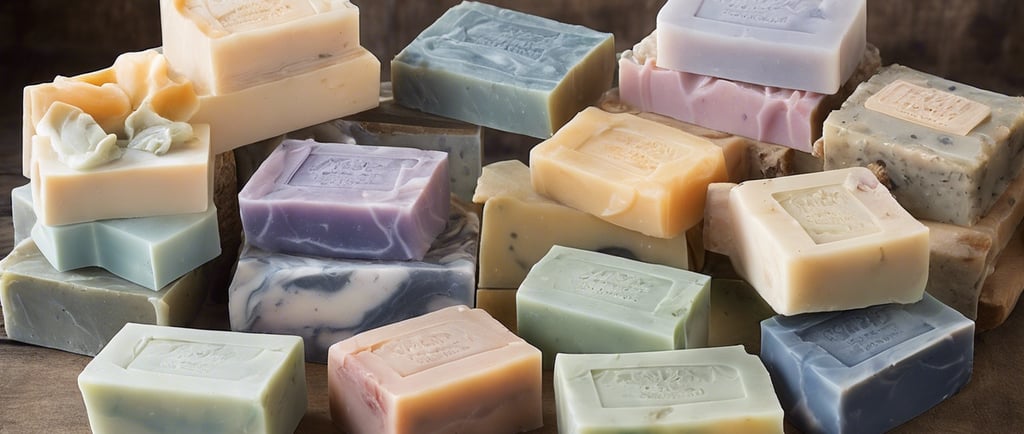
unique colors and textures
natural scents from essential oils
small-batch artistry
Because each batch is made by hand, no two bars are exactly alike.
Using handmade soap can feel more like a small daily self-care ritual rather than just another step in a routine.
Supporting Small Businesses and Artisans
Choosing handmade soap also supports small businesses and independent artisans who create products with care and creativity.
Small soap makers often focus on quality ingredients and thoughtful craftsmanship rather than mass production. Many customers appreciate knowing where their products come from and who made them.
Supporting small makers also helps keep traditional crafts and natural product traditions alive.
Which One Is Better?
Both handmade and commercial soaps serve the same basic purpose—cleansing the skin. The best choice often depends on personal preferences, skin sensitivities, and the types of ingredients you prefer.
Many people who switch to handmade soap enjoy the gentler feel, natural ingredients, and unique artistry of handcrafted bars.
Understanding the difference between handmade soap and commercial soap can help you choose products that align with your values and skincare preferences. Handmade soaps often emphasize simple ingredients, traditional methods, and small-batch craftsmanship, offering a more natural and personal approach to everyday skincare.
Whether you enjoy natural skincare products or simply appreciate the artistry of handmade goods, exploring handcrafted soap can be a wonderful way to elevate your daily routine.
(As an Amazon Associate I earn from qualifying purchases.)
Sunflower Herbals Collection provided and manufactured by Indigo Owlet
www.Sunflowerherbals.com
803-599-4413
7175 N Silverton St
Jackson, SC 29831
© 2024. All rights reserved.
Subscribe for news and updates